
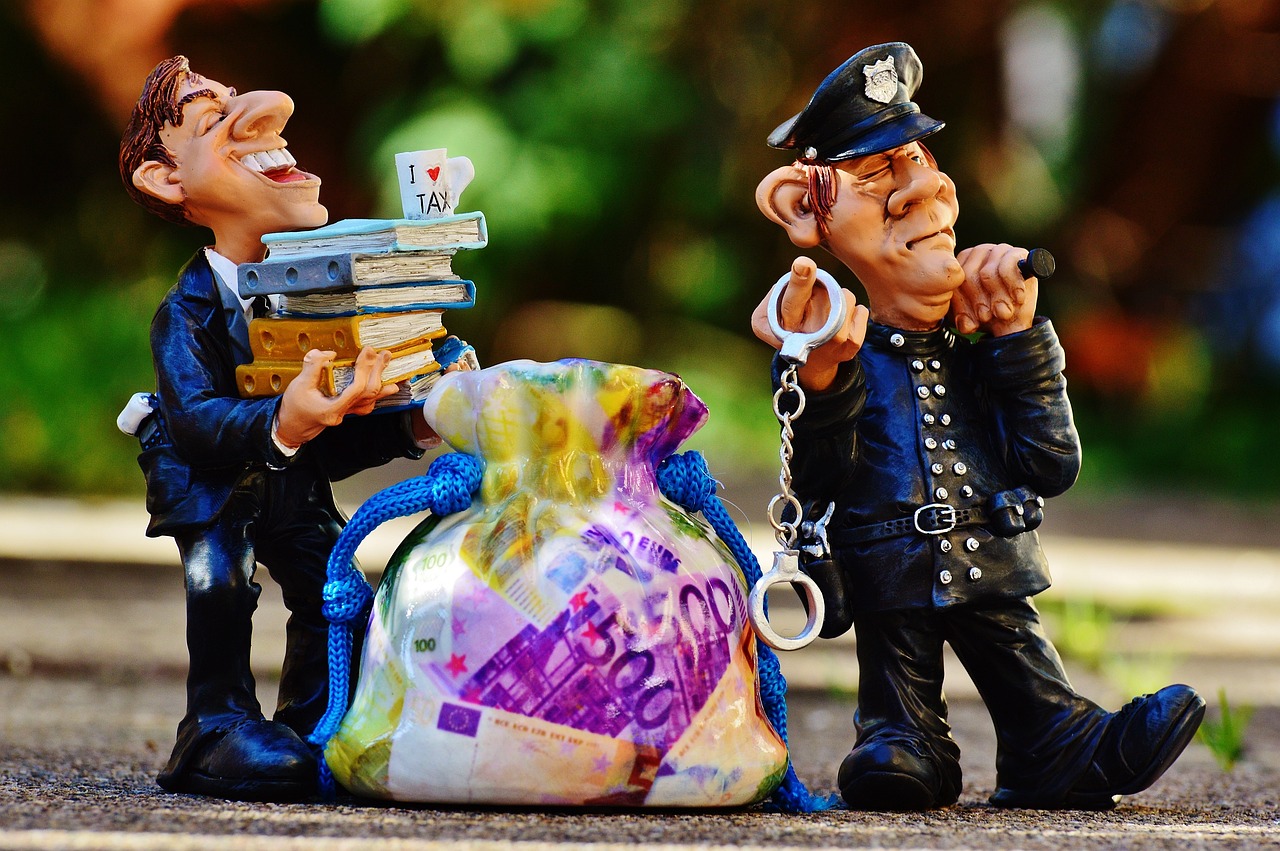

In the realm of taxation, many individuals are tempted to avoid their responsibilities, seeking ways to evade taxes through unofficial channels. The allure of keeping more money in hand can be strong, but what many fail to realize is that tax theft eventually catches up with both individuals and the overall economy. In this blog post, we will shed light on the consequences of tax evasion, its impact on the economy, and the burden it places on honest taxpayers. We will also address the shortcomings of the current approach to combating tax theft in Pakistan and advocate for more effective methods to tackle this issue.
The Hidden Price of Tax Evasion
Tax evasion may seem like a shortcut to financial gain, but it comes at a steep cost. When individuals or businesses evade taxes, the government's revenue diminishes, impacting its ability to provide essential public services and invest in economic growth. As a result, the entire country suffers the consequences of inadequate funds for education, healthcare, and infrastructure development.
Unstable Market Conditions
The repercussions of tax evasion ripple through the economy, resulting in unstable market conditions. Reduced government revenue leads to budget deficits and the need to increase taxes on law-abiding taxpayers. This exacerbates the burden on honest citizens and creates an uneven playing field for businesses. Those who evade taxes gain an unfair advantage over law-abiding businesses, hindering economic growth and prosperity for all.
The Toll on Honest Taxpayers
Honest taxpayers bear the brunt of tax evasion, as they face higher tax rates to compensate for the loss of revenue. This burden can dampen their motivation to continue fulfilling their tax obligations and erode trust in the tax system. It is unjust for honest citizens to pay the price for others' actions, fostering a sense of resentment and discouraging tax compliance.
The Plight of the Poor
The impact of tax evasion is particularly harsh on the underprivileged segments of society. The lack of government funds due to tax theft affects social welfare programs that aim to uplift the poor and marginalized. It creates a vicious cycle where the most vulnerable suffer the most while tax evasion remains unchecked.
The Price Paid by Tax Evaders
While tax evaders may initially seem to benefit from avoiding taxes, they too must pay a price eventually. Engaging in tax theft can lead to severe legal consequences, including hefty fines and even imprisonment. Moreover, tax evasion can harm their own businesses in the long run. Without adequate government support and investment in public services, the overall economic environment becomes unstable, affecting businesses of all sizes.
The Need for Proper Solutions
In Pakistan, the government's response to tax theft often involves increasing the burden on those who are already paying taxes. This approach further dissuades honest taxpayers from fulfilling their obligations and perpetuates a cycle of tax evasion. To effectively combat tax theft, the government must implement targeted and strategic methods.
Transparent and Modern Tax Systems
To discourage tax evasion, the government must focus on creating a transparent and modern tax system. Simplifying tax procedures, reducing bureaucracy, and leveraging technology can promote tax compliance and make it easier for taxpayers to fulfill their obligations.
Strengthening Tax Enforcement
Rigorous tax enforcement is essential to combat tax theft effectively. The government should invest in skilled tax professionals and deploy advanced technology to detect and prevent tax evasion. Strict penalties for offenders, along with the promotion of a strong legal framework, can act as deterrents.
Public Awareness and Education
Educating the public about the negative consequences of tax evasion is crucial. By fostering a sense of responsibility and civic duty, individuals will be more inclined to contribute to the country's development through honest tax payments.
Conclusion
Tax evasion carries significant costs for both individuals and the entire economy. The burden falls on honest taxpayers and the less privileged, leading to an unstable market and hindering economic growth. Pakistan must adopt more effective approaches to counter tax theft, such as enhancing tax systems, strengthening enforcement, and promoting public awareness. By taking proactive measures, the government can create a fair and equitable tax environment, ensuring a prosperous and sustainable future for all citizens. Together, let us advocate for a transparent, just, and effective tax system that benefits everyone and builds a stronger nation.
 Sign in with Google to join